
Magnet therapy, or the belief in the healing power of magnets and magnetic fields, has been around for thousands of years, dating back to the discovery of magnets. However, the scientific backing for these practices is limited, especially when it comes to specific health claims.
Historical Context
In the late 18th century, Franz Anton Mesmer promoted a controversial theory known as “animal magnetism,” claiming he could heal people using magnets. In the 19th century, magnetic healers were widespread, with even D.D. Palmer, the founder of chiropractic medicine, having worked as a magnetic healer before his pioneering work in spinal manipulation.
Today, magnetic devices marketed for everyday aches and pains have become increasingly popular, forming a multi-billion-dollar industry. Despite this popularity, solid scientific evidence supporting most of the health claims made by marketers of these products is lacking. Most claims are either unsupported by scientific research or highly implausible.
Recent Research and Media Coverage
A recent study published in the American Journal of Physiology explored the effects of static magnetic fields (SMF) on inflammation reduction in rats. The headline from an article about this study suggested that the “healing value of magnets” had been demonstrated, which can be misleading. The study found that certain strengths of SMFs could reduce swelling caused by histamine-induced inflammation but not carrageenan-induced inflammation. These effects were only seen when the magnetic field was applied immediately after inducing inflammation.
The researchers noted that their findings might suggest a dose-dependent effect of SMF on inflammation, possibly through vasoconstriction reducing blood flow to inflamed tissue. However, inconsistencies in the results, such as the lack of effect at higher magnetic field strengths and differences in effectiveness depending on the type of inflammation, raise questions about the reliability of these findings.
Challenges and Considerations
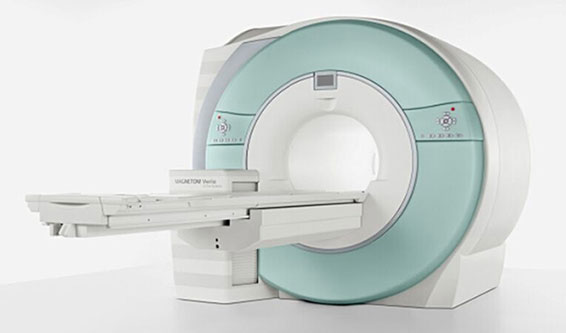
One major challenge with applying these findings to human use is the significant decrease in magnetic field strength over distance, making it difficult to achieve therapeutic levels deep within larger human joints or limbs. Furthermore, the biological plausibility of how static magnetic fields might produce therapeutic effects remains unclear, with proposed mechanisms such as increased blood circulation or reduced inflammation yet to be substantiated.
While the research provides interesting preliminary data and points towards potential areas for further investigation, it’s premature to conclude that SMFs can effectively treat inflammation in humans. More replication studies are needed to verify these findings and explore practical applications.
In summary, while magnet therapy continues to attract attention and investment, consumers should approach such treatments with caution. The current scientific evidence does not robustly support the majority of health claims made by manufacturers of magnetic devices. As always, consulting healthcare professionals for advice tailored to individual needs is recommended.